Erik Krüger · 10 October 2026
Charting Keyword Continuity Across Platform Provider Shifts
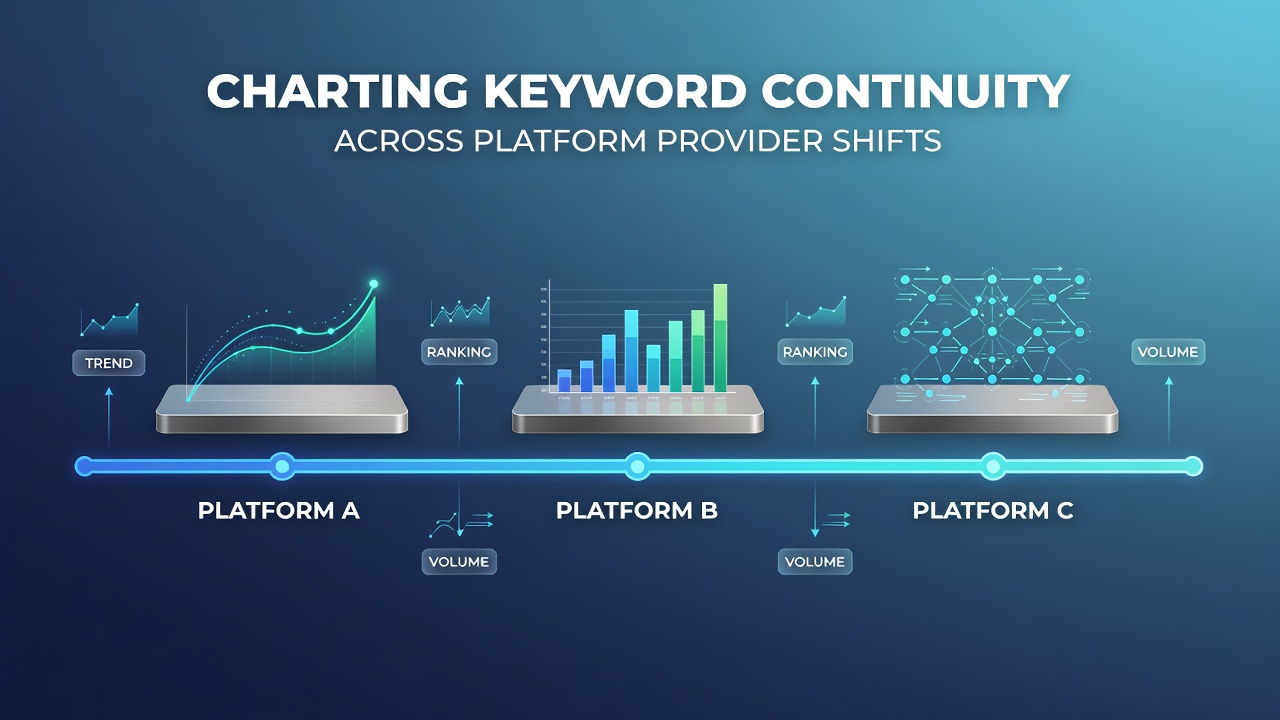
Platform provider shifts occur when organizations move digital operations between hosting services, content management systems, advertising networks, or search optimization tools, and keyword continuity refers to the sustained performance of targeted search terms through these changes. Data from industry monitoring services shows that such transitions affect visibility metrics in measurable ways, with tracking methods relying on consistent logging of rankings, impressions, and click-through rates across timelines.
Core Elements of Keyword Tracking During Transitions
Researchers at academic institutions have documented that keyword continuity depends on pre-migration audits of current rankings, post-migration verification through tools integrated with search engine consoles, and ongoing comparison of historical data sets. Those who study these patterns note that providers often release updated APIs during shifts, which requires teams to adjust data collection scripts accordingly while maintaining records of term-specific performance before and after the move. Evidence from multiple case examinations reveals that keywords tied to stable URL structures tend to retain more consistency than those linked to dynamic elements that change during platform handovers.
Observers point out that integration of analytics platforms plays a central role here, since these systems capture fluctuations in real time and allow for segmented analysis by region or device type. Studies conducted in various markets indicate that combining server-side logs with third-party rank trackers produces more complete pictures than relying on single sources alone, especially when provider changes coincide with algorithm updates from major search engines.
Data Patterns Observed in Recent Migrations
Figures compiled through monitoring services demonstrate that average recovery periods for keyword positions after a provider shift range from several days to multiple weeks, depending on the scale of the migration and the presence of parallel redirects. One analysis of enterprise-level transitions found that keywords with established backlink profiles showed faster stabilization compared to newer terms introduced shortly before the change. And data collected across different industries highlights variations, with e-commerce sites often experiencing sharper initial dips than informational platforms due to differences in crawl frequency and indexing priorities.
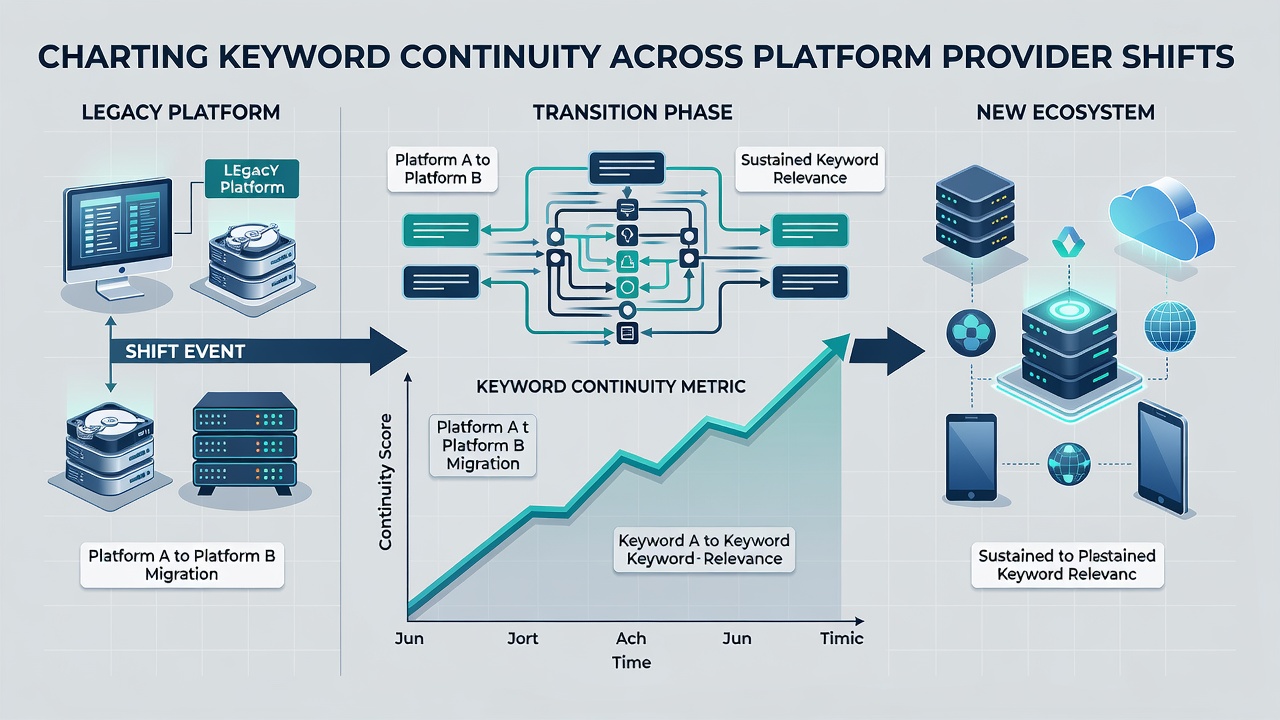
What's notable is how geographic factors influence outcomes, since search behaviors and provider availability differ by market. Reports from regulatory bodies in the European Union and research groups in Australia have tracked similar continuity challenges in their respective digital sectors, revealing that localized keyword sets require tailored monitoring approaches rather than uniform global strategies. Teams handling these projects frequently cross-reference data from multiple consoles to isolate provider-related effects from broader market trends.
Tools and Techniques for Sustained Monitoring
Professionals apply a range of established methods to chart continuity, beginning with baseline establishment through scheduled rank checks and extending to automated alerts that flag deviations exceeding predefined thresholds. Integration with services that aggregate data from various search engines allows for multi-platform visibility, while custom scripts handle edge cases such as temporary indexing delays that follow DNS propagation during shifts. Evidence suggests that maintaining parallel tracking environments, one on the legacy provider and one on the new system, reduces gaps in data coverage during the handover phase.
Those who've examined longitudinal records note that seasonal factors and concurrent marketing campaigns can mask or amplify apparent continuity issues, so analysts adjust for these variables by comparing against control groups of unaffected keywords. October 2026 marks the scheduled rollout of enhanced reporting features in several major analytics suites, which will include expanded historical comparison modules designed specifically for migration scenarios according to announcements from the developers involved.
Conclusion
Charting keyword continuity across platform provider shifts relies on systematic data collection, cross-verified sources, and adjustment for external variables that affect search performance. Organizations that implement structured tracking frameworks gather the measurable insights needed to evaluate transition impacts accurately, with patterns drawn from prior migrations providing reference points for future planning. Continued development of monitoring tools supports more precise documentation of how keywords respond throughout these changes.